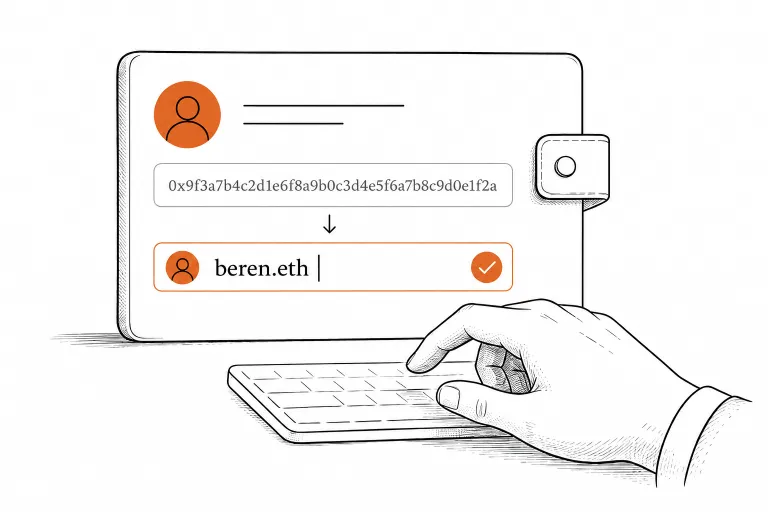
Picture this: you’re trying to send crypto to a friend, and instead of typing out “0x71C67EC9A4F…” followed by another twenty-something random characters, you just type their name. Sounds simple, right? That’s basically what just happened, and almost nobody outside crypto people on Twitter noticed. Binance Adopts ENS support inside its own wallet, and the update is one of those “small feature, big implications” moments that tends to fly under the radar until you actually sit with it for a minute.
No confetti, no press conference, just a quiet extension update. Yet quiet wins are often the ones that matter most.
What Actually Happened
Binance Wallet, the browser extension arm of the exchange, rolled out native support for Ethereum Name Service names in both directions of a transfer. Users can now send funds to a “.eth” name and receive funds sent to their own name, all without ever pasting a raw address. Version 1.20.0 of the extension is the one to grab if you want the feature, and honestly, updating your wallet extension is a small price to pay for never fat-fingering an address again.
Binance Adopts ENS in a way that feels almost overdue. Coinbase already folded ENS support into its consumer products a while back, and smaller wallets like MetaMask have supported “.eth” resolution for years. Still, when the largest exchange by volume makes a move like this, the ripple effect tends to be bigger than the announcement itself.
Why Wallet Addresses Are the Worst
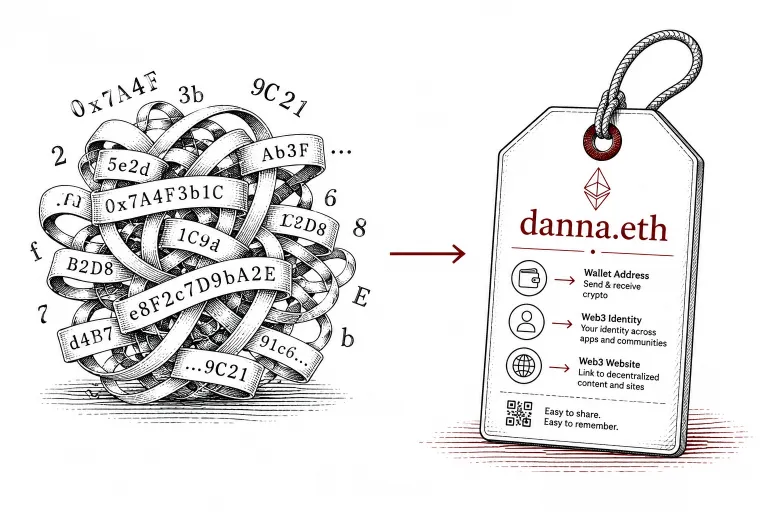
Let’s be honest for a second. Ethereum addresses look like something a cat walked across a keyboard to produce. They’re long, they’re case-sensitive in some contexts, and one wrong character sends your funds into the void, never to be seen again. Losses from mistyped or copy-pasted wrong addresses have cost users real money over the years, and that’s not a hypothetical, that’s a documented headache across the industry. Naming systems exist for exactly this reason. Regular websites use domain names instead of IP addresses so humans don’t have to memorize strings of numbers, and Ethereum.org describes ENS as doing the same job for wallet addresses, hashes, and other machine-readable identifiers. Reading a name is just easier than reading a string of hex characters, full stop.
Binance Adopts ENS, and Ethereum Gets a Quiet Boost
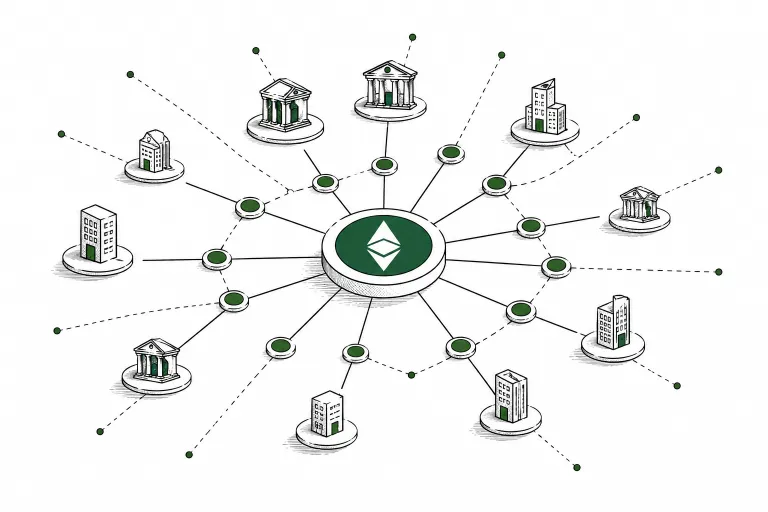
Here’s the part that doesn’t get talked about enough. Every time a major platform integrates ENS, Ethereum’s identity layer gets a little more baked into daily crypto life. Binance Adopts ENS, and suddenly millions of users have a reason to care about “.eth” names even if they’ve never touched a decentralized app before. Network effects work in strange, compounding ways. A name only becomes valuable once enough places accept it, and acceptance only grows once enough people want the name. Binance Adopts ENS support and, almost as a side effect, nudges that flywheel forward a little faster than it was spinning before.
What This Means for Regular Users
Fewer typos, fewer support tickets, fewer “I sent my crypto to the wrong address” horror stories on Reddit. That’s the practical, unglamorous benefit here. Sending money to “sarah.eth” instead of a forty-two character string is the kind of quality-of-life upgrade that sounds minor until you’re the one double, triple, quadruple checking an address at 1am. There’s also a branding angle worth mentioning. A “.eth” name functions a bit like a Web3 business card. Freelancers, creators, and small businesses use them the same way people once fought over the perfect Twitter handle. Binance Adopts ENS, and now that business card actually works across one of the biggest platforms in crypto, not just niche decentralized apps.
Not Everything Is Solved
Skepticism deserves a seat at the table too. Adoption numbers for the new feature aren’t public yet, so nobody actually knows how many Binance Wallet users will bother switching over to names instead of addresses. Old habits die hard, and plenty of traders will keep pasting raw addresses out of pure muscle memory. Renewal fees are another wrinkle. ENS names aren’t free forever, they require annual renewal payments in ETH, and letting one lapse means someone else can snatch it up. A slick new wallet feature doesn’t erase that maintenance requirement, it just makes the front-end experience nicer. Security researchers have also pointed out that lookalike names can be a problem. A scammer registering “sarah.eth” with a swapped character or homoglyph is a real risk, not a theoretical one, so users still need to double check the address a name resolves to before hitting send. Binance Adopts ENS doesn’t automatically solve social engineering, it just changes the shape of the attack surface. Convenience and caution have to travel together here, the same way they do with any password manager or autofill feature. Gas costs matter too. Registering a fresh “.eth” name on mainnet still costs real money once network fees spike, which pushes some price-sensitive users toward layer-2 alternatives or toward simply waiting for a calmer week to register. None of that is a dealbreaker, but it’s worth mentioning so this doesn’t read like a puff piece.
The Bigger Picture
Zoom out far enough and a pattern starts to appear. Centralized exchanges have spent years playing catch-up with the usability standards set by self-custody wallets, and naming systems are one of the clearest examples of that gap closing. Binance Adopts ENS as part of a broader industry drift toward making crypto feel less like a spreadsheet of hex codes and more like, well, the internet people already know how to use. Coverage from outlets like TradingView frames the update as incremental rather than revolutionary, and that framing is fair. Nobody’s claiming ENS integration reinvents Ethereum overnight. What it does, slowly and unglamorously, is chip away at one of crypto’s oldest friction points. Compare that to how the early internet matured. Nobody remembers the exact day IP addresses quietly faded into the background for regular users, replaced by domain names typed into a browser bar. Nobody will remember the exact day wallet addresses did the same either. Binance Adopts ENS today, some other major platform adopts a similar naming standard tomorrow, and eventually raw hex addresses become a thing only developers and auditors bother looking at directly. That’s not a prediction dressed up as certainty, just a pattern that tends to repeat itself whenever a technology moves from “for enthusiasts” to “for everyone.”
A Small Feature With a Long Tail
Wallet UX rarely makes headlines, yet it shapes whether normal people stick around long enough to become long-term holders instead of one-and-done dabblers. Binance Adopts ENS, and the exchange effectively hands its users a small nudge toward the kind of experience that decentralized-native users have quietly enjoyed for years. Small nudges add up. A friend who tries sending ETH to a “.eth” name for the first time and doesn’t lose sleep over a typo is a friend more likely to try the next crypto thing too. That’s the actual, unsexy mechanism behind adoption curves, one less headache at a time.
Final Thoughts
Big exchange, small update, quietly meaningful outcome. Binance Adopts ENS not because it’s flashy, but because it removes friction, and friction removal is how entire industries mature. Ethereum doesn’t need another headline-grabbing announcement every single week to keep winning. Sometimes a wallet update that lets people type a name instead of a string of hex characters is exactly the kind of win that sticks. For more breakdowns on what moves like this mean for the future of Web3, check out Ethpublic.com.