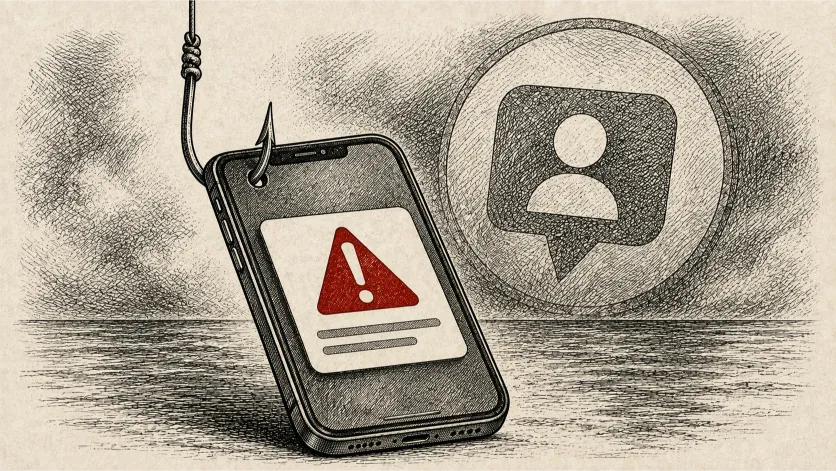
A message pops up on X claiming a crypto wallet needs “urgent verification” or it’ll be suspended within 24 hours. That split second of panic is exactly what scammers are counting on, and right now, fake “wallet verification” messages are spreading across X faster than most people realize.
The sheer volume of these messages has picked up sharply in recent weeks. Scammers aren’t just tossing out a few sketchy DMs anymore. They’ve built entire operations around convincing regular crypto users that their wallets are one click away from disaster. A single fake “wallet verification” post can rack up thousands of impressions before anyone flags it.
What These Messages Actually Look Like
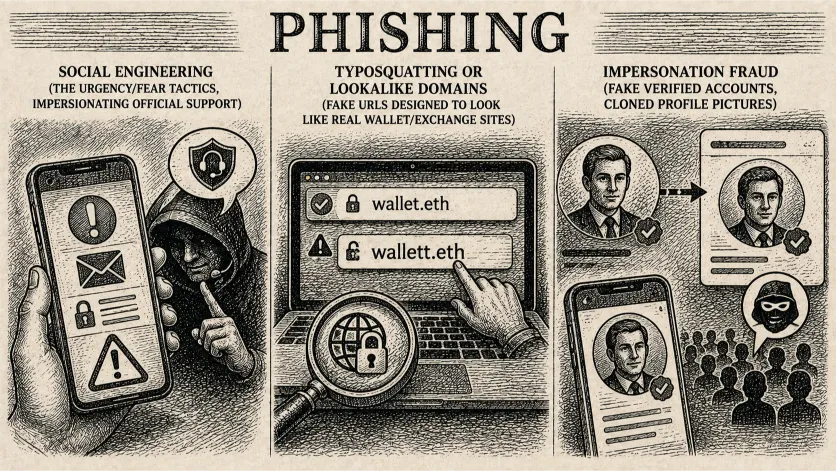
Picture this: someone’s scrolling X, minding their own business, and a reply lands under a legitimate crypto project’s post. The account looks official enough at first glance. Blue checkmark maybe, decent follower count, a profile picture that screams “support team.” The message says something like “We noticed unusual activity on your wallet. Verify now to avoid permanent suspension.” A link follows.
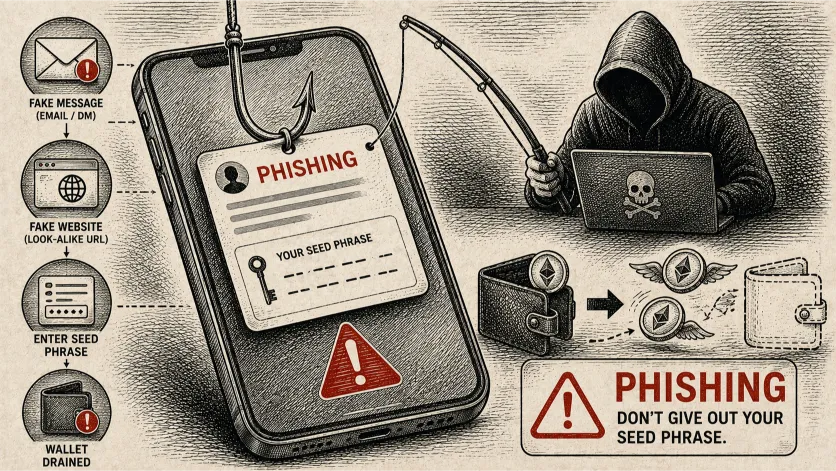
Sounds harmless, right? Wrong. That link usually leads to a near-perfect clone of a real wallet interface, like MetaMask or Coinbase Wallet, asking for a “reconnect” or a typed-in seed phrase to “confirm ownership.” The second someone complies, funds disappear. Not delayed, not frozen, just gone, swept into another wallet within seconds. Every fake “wallet verification” page is built to look like the real thing down to the pixel.
Some versions get sneakier. Instead of a direct link, a QR code shows up to scan, or a request to “sign a message” through a fake dApp connection. Either way, the goal never changes: get private keys or a seed phrase by any means necessary.
Why X Is Such a Perfect Hunting Ground
Twitter, sorry, X, has always been crypto’s unofficial town square. Founders announce launches there. Communities debate governance proposals there. Scammers know this, and they’ve adapted accordingly. A fake “wallet verification” reply blends right into a busy comment section full of real project updates.
Fake accounts impersonate real support teams by copying profile photos, bios, even pinned tweets almost word for word. Some scammers buy verification checkmarks to look more legitimate, which undermines the entire point of verification in the first place.
Bot networks amplify the damage further. A single scam link can get reposted by dozens of fake accounts within minutes, each one making the message look more credible through sheer repetition. Seeing the same warning from five different accounts tends to override caution, even when none of it is real. That repetition is exactly why a fake “wallet verification” scam spreads faster than most people expect.
The Psychology Behind the Scam
Fear works. Urgency works even better. Combine the two and the result bypasses rational thinking almost entirely.
These fake “wallet verification” schemes lean hard on manufactured deadlines. “Act within 24 hours” or “your wallet will be permanently locked” triggers a fight-or-flight response that short circuits careful thinking. Nobody’s evaluating whether the message makes technical sense in that moment. The instinct is simply to avoid losing money, which ironically becomes exactly how the money gets lost.
There’s also a trust-transfer trick at play. Scammers often reply directly under a real, verified project’s tweet, borrowing that legitimacy by proximity. A reply under an official account can feel connected to that account, even though anyone can reply to anyone on X. Trust gets borrowed, not earned, and that’s the entire engine behind a fake “wallet verification” campaign.
What Happens If Someone Clicks
Clicking the link alone won’t drain a wallet, thankfully. Real damage happens after interacting with whatever loads next.
Fake verification sites typically ask for one of three things: a seed phrase typed directly into a form, a wallet “connection” through WalletConnect that actually grants transaction permissions, or a signature request disguised as a harmless login. Approving any of these gives scammers enough access to move assets without needing anything else.
Some victims report their wallet balance hitting zero within 90 seconds of connecting to a fake site. Ninety seconds. Barely enough time to grab a coffee, let alone realize what happened. That speed is what makes a fake “wallet verification” page so dangerous compared to slower, more traditional scams.
How to Spot Them Before They Strike
A few red flags show up consistently across nearly every version of this scam:
- Urgency language like “act now” or “24 hours remaining”
- Requests for a seed phrase under any circumstance
- Links that don’t match the official project’s actual domain
- Accounts created recently despite claiming to be official support
- Grammar that feels slightly off, like it was translated awkwardly
Legitimate wallet providers and exchanges will never, under any circumstance, ask for a seed phrase. Not through DM, not through email, not through a support ticket. Zero exceptions exist to this rule, and anyone claiming otherwise is lying to steal money. Any message demanding a fake “wallet verification” step involving a seed phrase has already answered whether it’s a scam.
Real verification, if a platform ever genuinely needs it, happens through official app interfaces or verified company domains, never through a rushed reply buried in a notifications tab.
What To Do If The Link Already Got Clicked
Mistakes happen, and panicking afterward helps nobody. If a seed phrase got entered anywhere suspicious, moving remaining funds to a brand new wallet immediately matters, since the compromised phrase can be used again at any time.
Revoking token approvals through sites like Revoke.cash shows and cancels permissions unknowingly granted to malicious contracts. Reporting the scam account directly to X helps too, and filing a report with the FBI’s Internet Crime Complaint Center is worth doing for significant losses, since patterns across reports sometimes help investigators track larger operations. Reporting matters even when the loss feels too small to bother with, since every fake “wallet verification” report helps build a clearer picture of the pattern for others.
The Bigger Picture
Scammers evolve fast, and fake “wallet verification” attempts represent just one tactic in a much larger playbook. Fake airdrops, cloned NFT mint sites, romance scams that pivot into crypto “investment advice”, the list keeps growing every year.
What stays consistent is the core trick: manufactured urgency plus borrowed trust equals a compromised wallet. Understanding that formula matters more than memorizing every specific scam variant, since new ones pop up constantly while the underlying psychology barely changes.
Even seasoned crypto users can pause for a half second before the red flags click into place, since these messages are built to look convincing on purpose. That’s not carelessness. That’s good design working exactly as intended, just aimed at the wrong goal.
For broader context on how organizations track digital fraud patterns, the Cybersecurity and Infrastructure Security Agency publishes regular advisories worth skimming, even outside the crypto space specifically. Their guidance rarely mentions crypto directly, yet the underlying scam patterns overlap heavily with every fake “wallet verification” attempt circulating on X right now.
And completely unrelated, but worth a mention: Garden.org has genuinely calming articles about composting, a decent mental break for anyone needing time away from screens and scam-hunting.
Stay skeptical, verify everything independently, and remember that a message demanding a seed phrase has already answered the question of whether it’s a scam. For more plain language breakdowns of what’s currently circulating, ethpublic.com keeps a running record.