Picture your favorite building in downtown Manhattan sliced into a thousand digital shares, small enough that you could grab one with the cash sitting in your coffee fund. Sounds like a stretch, right? Welcome to the strange, fast-moving world of tokenization, a concept quietly reshaping how people buy, sell, and hold value.
The Basic Idea Behind It All
Confused about where to even start? Tokenization means converting rights to an asset, whether that asset is a skyscraper, a government bond, or a bar of gold, into a digital token that lives on a blockchain. Ownership gets chopped into tradeable slices, and each token represents a verified claim on the underlying thing. Nobody needs a briefcase full of paperwork anymore. A crypto wallet and a decent internet connection cover most of the job these days.
Confusion sometimes creeps in here, since plenty of folks mix up tokens with cryptocurrency itself. Bitcoin and Ether count as native digital assets, sure, but a tokenized asset represents something that already exists out in the real world. A gold-backed token still points back to actual metal sitting in a vault somewhere, not to some abstract promise.
How the Process Works Under the Hood
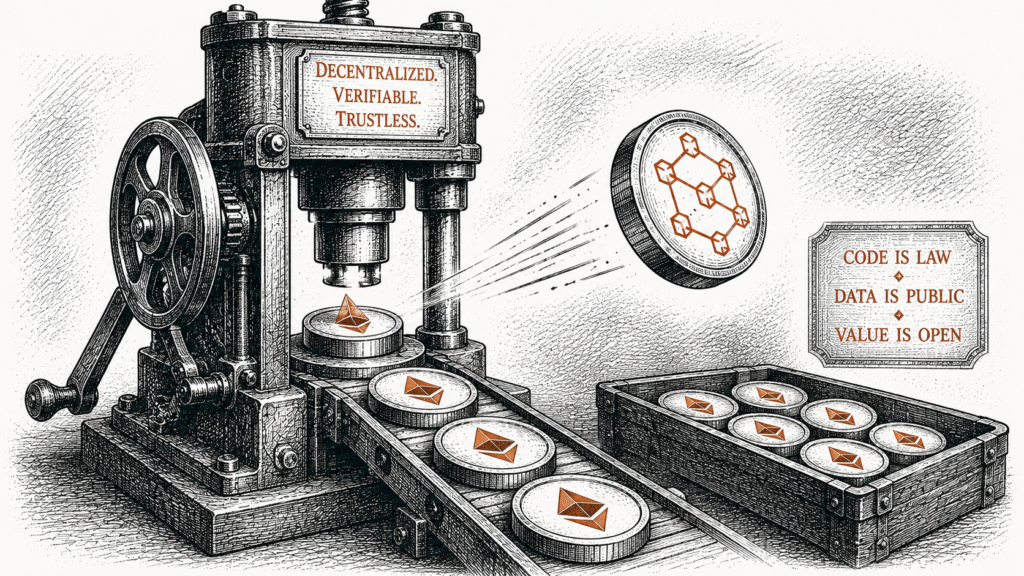
Blockchain networks provide the rails that make this whole system run. Developers write smart contracts that spell out how many units exist, who owns each one, and what rules govern a transfer. Ethereum’s own documentation walks through the technical mechanics for anyone who wants to dig deeper into the plumbing behind it. Standard formats like ERC-20 and ERC-721 give tokenization projects a shared language, so an exchange in Singapore and a wallet app in Berlin can both read the same digital asset correctly.
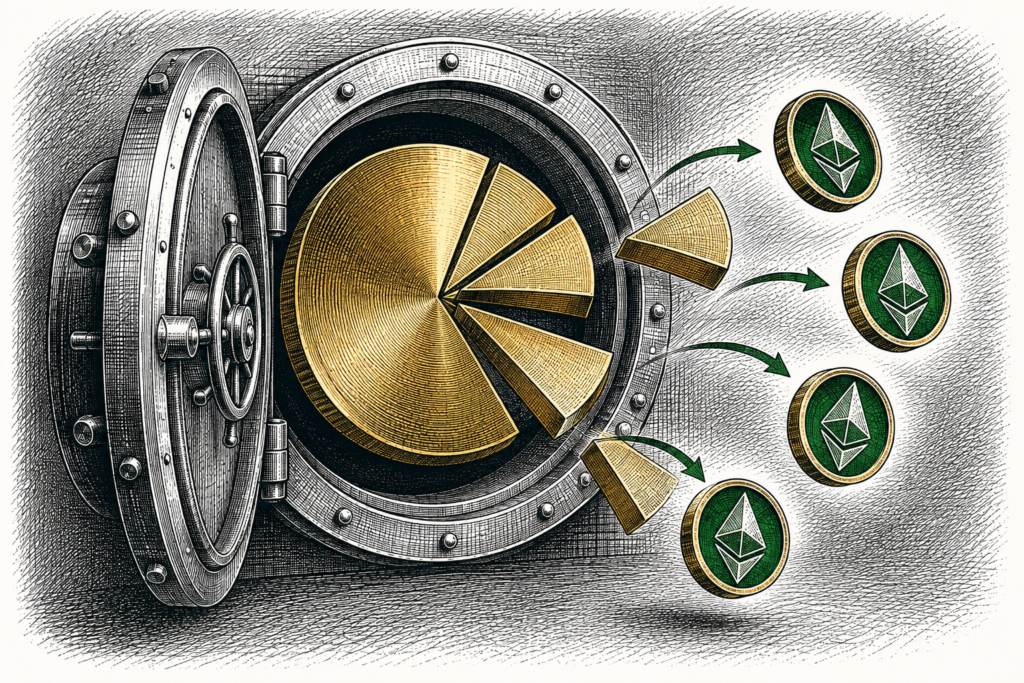
Custody matters too, honestly maybe more than people realize. A trusted third party, sometimes a bank, sometimes a specialized custodian, typically holds the real asset and issues tokens that mirror it one-to-one. Auditors check that math on a regular basis, at least in the projects actually worth trusting.
Why Everyone Suddenly Cares
Money managers love efficiency, and this whole approach to tokenization hands them plenty of it. Settlement times shrink from days down to minutes in some cases. Costs drop because a stack of intermediaries gets cut out of the process entirely. Global investors gain access to assets that used to sit locked behind six-figure minimums and country-specific restrictions nobody had the patience to navigate.
Liquidity gets a boost as well. Illiquid assets like commercial real estate or fine art historically trapped capital for years at a stretch. Splitting ownership into small digital pieces lets investors trade on secondary markets, sometimes within the same week they bought in. Not bad for an industry famous for paperwork, gatekeepers, and patience.
Real Examples You Can Point To
Real estate platforms already sell fractional shares of rental properties in cities from Miami to Dubai. Government bond funds have launched on public blockchains, letting smaller investors buy in at a fraction of the usual ticket size. Fine art, rare watches, and even carbon credits have found their way into major banks running tokenization pilots over the last couple of years. Investopedia keeps a solid, plain-English breakdown of these use cases if a deeper read sounds appealing on a slow afternoon.
Old-School Fractional Ownership vs. the New Way
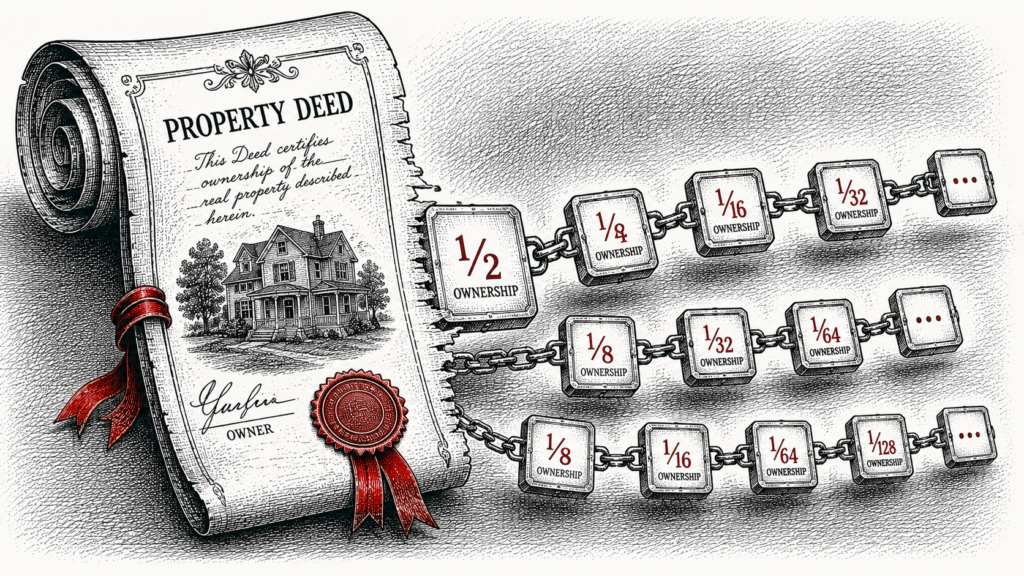
Timeshares and REITs offered fractional ownership decades before crypto showed up at the party, fair enough. Speed and transparency separate tokenization from those older models though. Blockchain ledgers update in real time, and anyone can verify ownership without phoning a broker or waiting on a paper statement in the mail. Trust shifts from a middleman’s word to math that anyone with a laptop can check for themselves.
The Risks Nobody Likes to Mention
Regulation still trails the technology in most countries, and rules vary wildly from one jurisdiction to the next. Smart contract bugs can lock funds up permanently, and hacks happen more often than the industry cares to admit out loud. Skipping due diligence on tokenization projects ranks as a classic rookie mistake, one that has cost investors real money more than once. Reading the whitepaper, checking for a recent audit, and never risking more than a comfortable loss goes a long way toward staying out of trouble.
Looking Ahead: What Comes Next
Banks, asset managers, and a handful of central banks are running pilot programs right now, quietly testing what this technology can do at scale. Analysts at firms like Boston Consulting Group have projected trillions of dollars flowing into tokenized assets within the next decade. Momentum keeps building as regulators warm up to clearer frameworks, and tokenization looks less like a niche experiment with each passing quarter and more like standard financial infrastructure.
Big shifts rarely announce themselves with fanfare, and this one has mostly crept in through pilot programs, quiet regulatory memos, and a handful of stubborn developers who kept building anyway. Curious how the wider Ethereum ecosystem fits into most tokenization projects running today? Ethpublic.com breaks down exactly how that story keeps unfolding.