
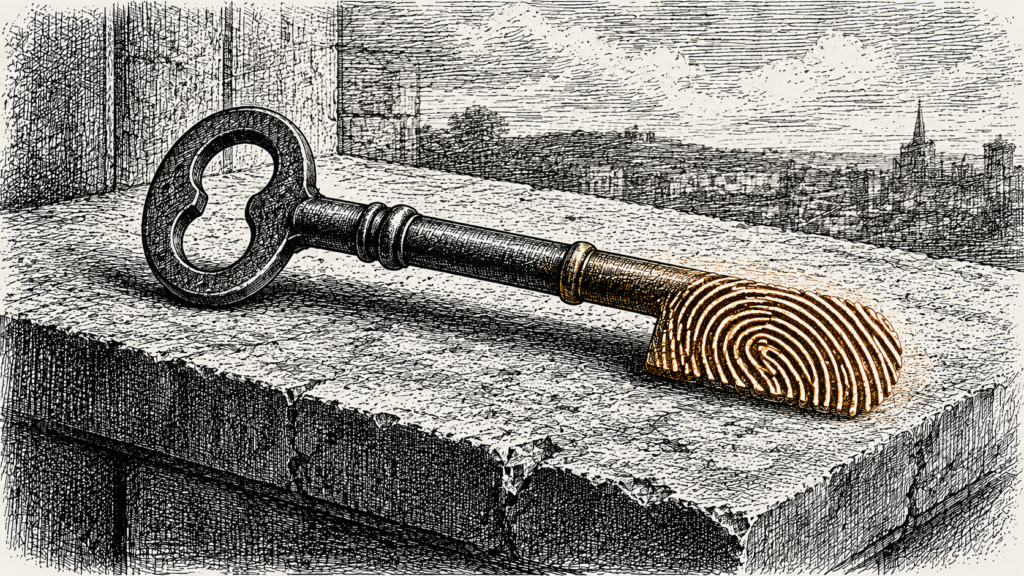
Twelve random words, scribbled on a sticky note or, worse, screenshotted and left sitting in a photo library somewhere. That’s how most people have guarded their entire crypto net worth for the better part of a decade, and honestly, it’s kind of insane when you say it out loud. Losing that scrap of paper meant losing everything, no customer support line, no password reset email, just gone. Good news though: Ethereum seed phrases are finally starting to fade into the background, and the shift happening right now might be the biggest usability leap crypto has ever seen.
Why Seed Phrases Became the Villain of Crypto
Back when Ethereum launched, every account was what’s called an externally owned account, or EOA. One private key controlled everything, and that key got represented as a human-readable mnemonic, the seed phrase. Simple in theory. Brutal in practice. Forget the phrase, funds vanish forever. Get phished into typing it into a fake website, funds vanish forever. Millions of dollars in ether and bitcoin sit permanently locked away because someone lost a hard drive or forgot which drawer held the paper backup. Billions of dollars have reportedly been lost this way across crypto as a whole. Not exactly a great advertisement for mainstream adoption.
Enter Account Abstraction
Ethereum’s answer to this mess is called account abstraction, and the concept sounds more complicated than it actually is. Instead of a wallet being a rigid key pair, a smart account gets treated like a programmable smart contract that can define its own rules for what counts as a valid transaction. Multi-signature approval, daily spending limits, biometric sign-in, gas paid in stablecoins instead of ETH. All of it becomes possible once the account itself gets smarter. The standard behind most of this, ERC-4337, has been live on mainnet since 2023, and adoption has genuinely taken off. Over 40 million smart accounts had been deployed across Ethereum and its layer-2 networks by late 2025, according to industry trackers. That’s not a fringe experiment anymore, that’s real infrastructure getting used at scale.
Passkeys: The Quiet Replacement for Ethereum Seed Phrases
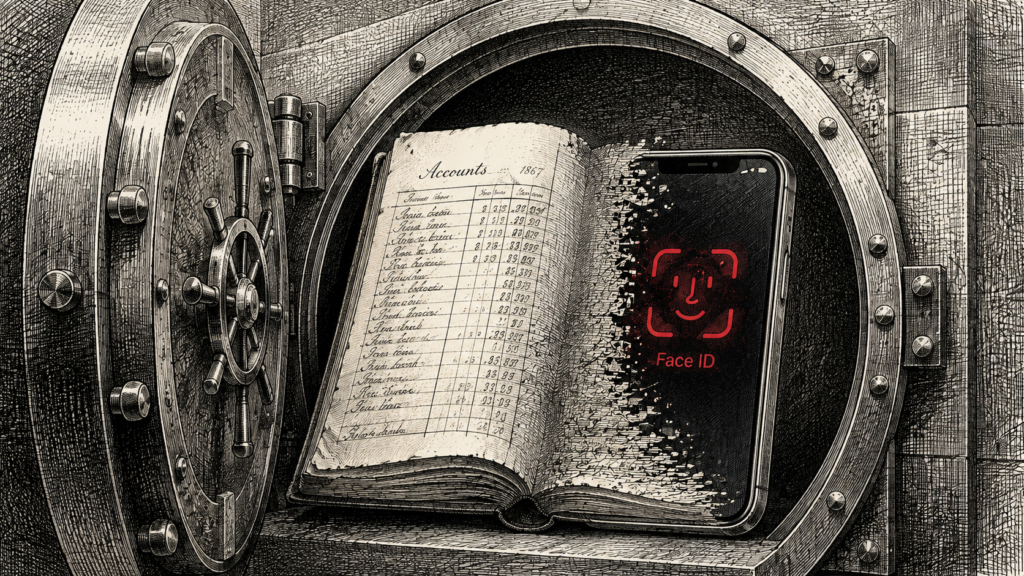
Here’s where things get genuinely exciting. Passkeys, the same biometric login tech already used to unlock an iPhone or sign into a Google account, are becoming the go-to authentication method for crypto wallets too. Face ID, fingerprint, whatever the device supports, verifies the user locally and never leaves the secure enclave on the phone. No phrase to write down, no phrase to lose, no phrase for a scammer to trick someone into revealing. Coinbase Smart Wallet, Safe, and several other providers already lean on this model, letting a brand-new user create a wallet in seconds using nothing but Face ID. Ethereum seed phrases simply aren’t part of that flow anymore for a growing share of new users. Over a billion people worldwide were already using passkeys for something by mid-2025, so the underlying tech isn’t experimental, it’s just being pointed at crypto now.

Social Recovery Fixes the “I Lost My Phone” Problem
Passkeys solve the login headache, but what happens when a phone gets stolen or dropped in a lake? That’s where social recovery comes in, and it’s genuinely clever. Rather than one single point of failure, a smart account can designate a handful of trusted guardians, maybe a family member, a hardware device, another wallet the user controls. Lose access, and a threshold of those guardians can collectively approve a recovery request. No twelve words required anywhere in the process. Guardians never need to understand private keys or Ethereum seed phrases at all. Approving or rejecting a request takes seconds, similar to how a bank might call a second contact to verify a large withdrawal.
For a deeper technical breakdown of how this actually works under the hood, the official Ethereum.org account abstraction page lays it out clearly without drowning readers in jargon.
EIP-7702: Upgrading Old Wallets Without Starting Over
A fair question comes up constantly: what about everyone who already has an old-school EOA wallet full of assets? Migrating everything to a brand-new smart account sounds like a hassle nobody wants. EIP-7702, activated during Ethereum’s Pectra upgrade in May 2025, solves exactly that. Existing wallets can temporarily behave like smart accounts without any migration at all, gaining social recovery and passkey support while keeping the same address. Major wallets including MetaMask, Rabby, and Trust integrated support fairly quickly after launch, which tells you the industry sees this as more than a gimmick. Slowly but surely, the reliance on Ethereum seed phrases as the only option is turning into just one option among several.
Not Everyone Is Ditching the Phrase Just Yet
Worth being honest here: Ethereum seed phrases aren’t literally extinct. Hardware wallets used for long-term cold storage still rely on them, and plenty of security-conscious users prefer keeping a paper backup as a last-resort fallback even on a smart account. Nothing wrong with that. Belt and suspenders never hurt anyone when real money is involved. Some purists also argue that guardians and passkeys introduce new trust assumptions, a friend could theoretically collude, a device manufacturer’s secure enclave could theoretically get compromised. Fair critique, though arguably a smaller attack surface than a random sticky note sitting in a junk drawer.
What This Means for Everyday Users
Picture onboarding a friend into crypto in 2026 versus 2019. Back then: install a wallet, generate a phrase, screenshot it against every piece of advice ever given, panic slightly, then hope for the best. Now: tap “create wallet,” scan a face, done. Buy something, swap a token, mint an NFT, all without touching a seed phrase or holding ETH just to pay gas, since paymasters can cover that automatically. Vitalik Buterin himself has called smart accounts the endgame for wallets, and honestly, the data backs him up. Base alone processed tens of millions of these smart-account transactions by mid-2026, driven heavily by Coinbase’s passkey-first onboarding flow.
The Road Ahead
Ethereum’s long-term roadmap points toward every account eventually being a smart account by default, the way networks like StarkNet already work today. A future upgrade, sometimes discussed under proposals like EIP-8141, could make that the standard rather than an opt-in feature. Once that happens, asking someone to write down Ethereum seed phrases might feel as outdated as asking them to fax a document. Change this big rarely happens overnight, and plenty of wallets, exchanges, and cold storage devices will keep phrase-based backups around for years as a fallback option. But the direction is unmistakable. Crypto is finally getting an onboarding experience that doesn’t require a crash course in cryptography just to send five dollars to a friend.
Final Thoughts
Funny how the thing crypto natives treated as sacred for a decade, guard the phrase with your life, is quietly becoming optional. Passkeys, social recovery, and account abstraction together are solving a problem the industry spent years pretending was just a UX detail rather than the actual barrier to mainstream adoption it always was. Ethereum seed phrases aren’t gone completely, but their grip on self-custody is loosening fast, and that’s a genuinely good thing for anyone who’s ever broken out in a cold sweat trying to remember word number seven. Curious how these changes tie into the broader shift happening across Ethereum right now? Head over to Ethpublic.com for more.